You buy a “surge protector” power strip, plug in your TV and router, and feel like you’ve checked the electrical safety box. Then the power flickers during a storm, the lights blink, and suddenly something expensive won’t turn back on. That mix of frustration and “did I miss something?” is incredibly common—and it’s exactly why homeowners ask whether whole-home surge protection is really necessary.
What’s happening behind the walls is simpler than it sounds. Your home is designed to receive relatively steady voltage from the utility. A surge is a brief spike in voltage that can range from small to severe. Lightning can cause big surges, but many surges come from everyday events: the utility switching power on the grid, a nearby transformer issue, or power being restored after an outage. Even inside your own home, motors and compressors (HVAC equipment, refrigerators, well pumps) can create smaller, repeated spikes that slowly wear down sensitive electronics over time.
So why isn’t a power-strip surge protector enough?
First, it only protects what’s plugged into it. Your furnace, AC condenser, dishwasher, range, and many built-in appliances are hardwired. If a surge travels through your electrical system, those systems may be exposed long before a plug-in device ever has a chance to help.
Second, plug-in protectors can degrade quietly. The protective components inside many strips absorb energy in small amounts. After enough events, they can lose effectiveness while still supplying power—meaning you might think you’re protected when you’re not.
Third, it’s protection at the “end” of the line. A surge typically enters through the service equipment and electrical panel, then spreads across circuits. Trying to catch that surge only at the receptacle is like putting a doormat at the bottom of the stairs and hoping it stops mud from entering the house.
Whole-home surge protection works differently. A whole-home surge protective device (SPD) is installed at or near the main electrical panel. Because it’s located where electricity enters and is distributed, it helps reduce surge energy before it travels throughout your home’s wiring. This isn’t about making lightning “harmless”—no single device can guarantee zero damage in every scenario—but it is a practical, code-compliant layer of prevention that can meaningfully reduce risk.
Homeowners sometimes misunderstand “surge protection” as an all-or-nothing promise. The more accurate way to think about it is layers:
- A whole-home SPD helps reduce larger incoming surges at the panel.
- Quality point-of-use protection (for delicate electronics) adds another layer at the outlet.
- A healthy electrical system—proper grounding, tight connections, and code-compliant equipment—supports long-term reliability.
That last point matters. Surge protection depends heavily on the condition of your electrical system, especially grounding and bonding. If grounding is compromised, surge energy may not be managed the way it should be. That’s why “buy a box and bolt it on” isn’t the right mindset for home protection.
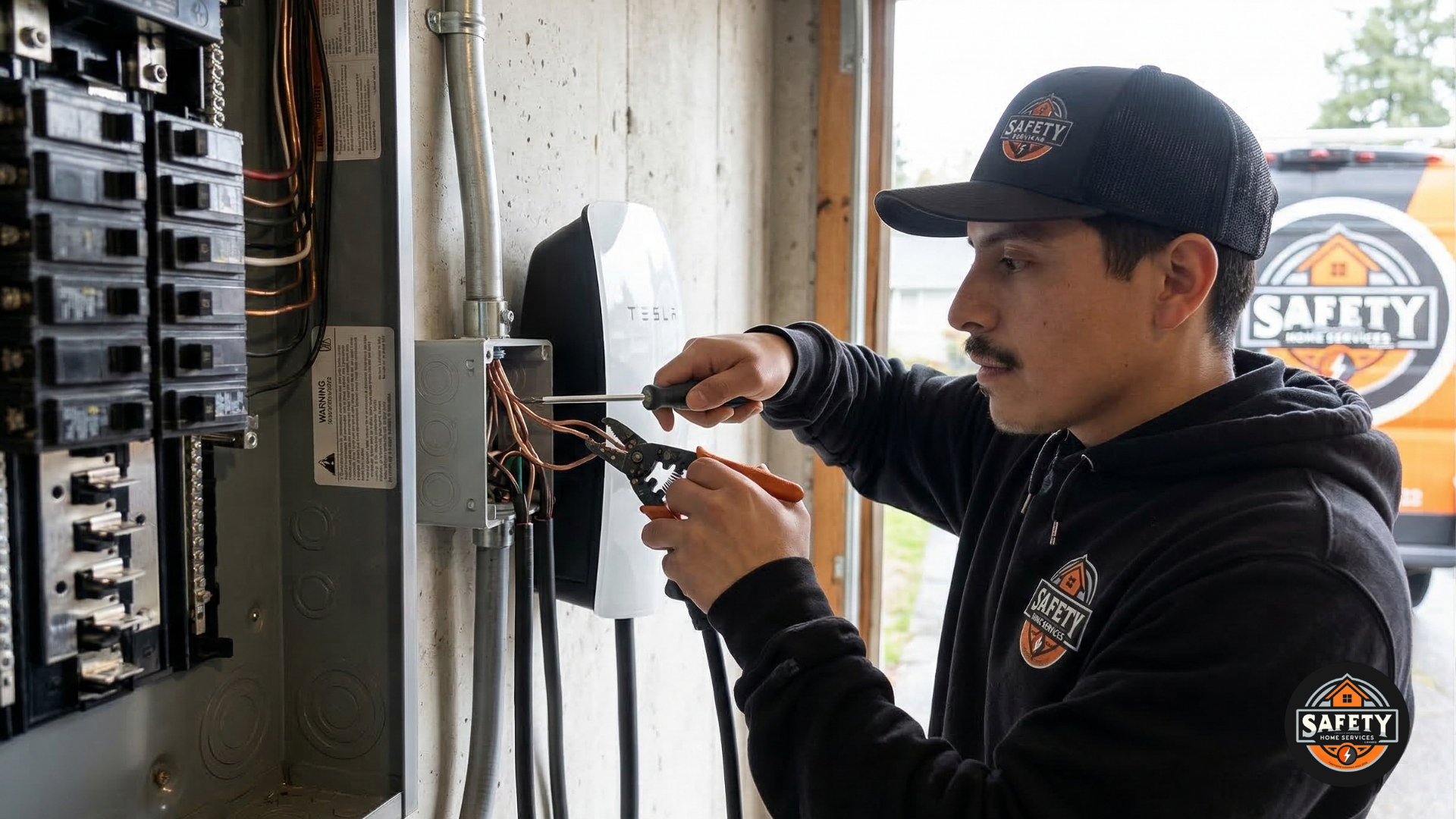
How Safety Home Services helps is straightforward and homeowner-centered. We start with a thoughtful evaluation: your main panel configuration, grounding and bonding, and the types of loads you’re trying to protect (HVAC, major appliances, home office equipment, smart home systems). Then we recommend and complete a professional installation of a whole-home surge protective device that’s appropriate for your home—done in a code-compliant way that prioritizes electrical safety and prevention, not just convenience.
We also explain what homeowners can do day-to-day to reduce risk:
• Replace worn power strips and avoid “daisy-chaining” strips together.
• Use extension cords only as temporary solutions, not permanent wiring.
• Watch for warning signs like flickering lights, frequent equipment failures, or warm outlets.
• Consider layered protection for sensitive electronics if you have an expensive home office, entertainment system, or smart devices.
The goal is peace of mind—knowing you’ve taken a sensible step to reduce a real risk. And because surge events can happen without any obvious “storm,” panel-level protection is one of those upgrades that quietly supports long-term reliability every day.
If you’re unsure about your home’s electrical safety, the best first step is simply to talk with a professional who can help you understand your options. Safety Home Services can walk you through what’s happening, what’s worth doing, and what’s not—so your decisions are based on clarity and home protection, not guesswork.