
YouTube makes electrical work look easy. Thirty minutes, some basic tools, and you’ve saved hundreds on electrician fees. But Oregon’s building codes didn’t get the memo about DIY confidence.
The reality? Most electrical work requires permits—and the penalties for skipping them can cost more than hiring a pro from the start.
The $2,000 Wake-Up Call:
Last month, we got a call from a Salem homeowner who installed outdoor lighting for his deck. Beautiful work, professional-grade fixtures, everything looked perfect.
Until he tried to sell his house.
The inspection revealed unpermitted electrical work. The buyer’s lender required all electrical to be brought to code and properly permitted before closing. Total cost: $2,400 in permits, inspections, and corrections for a job that would have cost $800 to do right initially.
What Requires Permits in Oregon (More Than You Think):
- New Circuits or Outlets
Adding outlets in garages, basements, or outdoors requires permits and GFCI protection. - Lighting Upgrades
Installing new light fixtures often needs permits, especially if you’re adding circuits or changing electrical loads. - Hot Tub and Pool Equipment
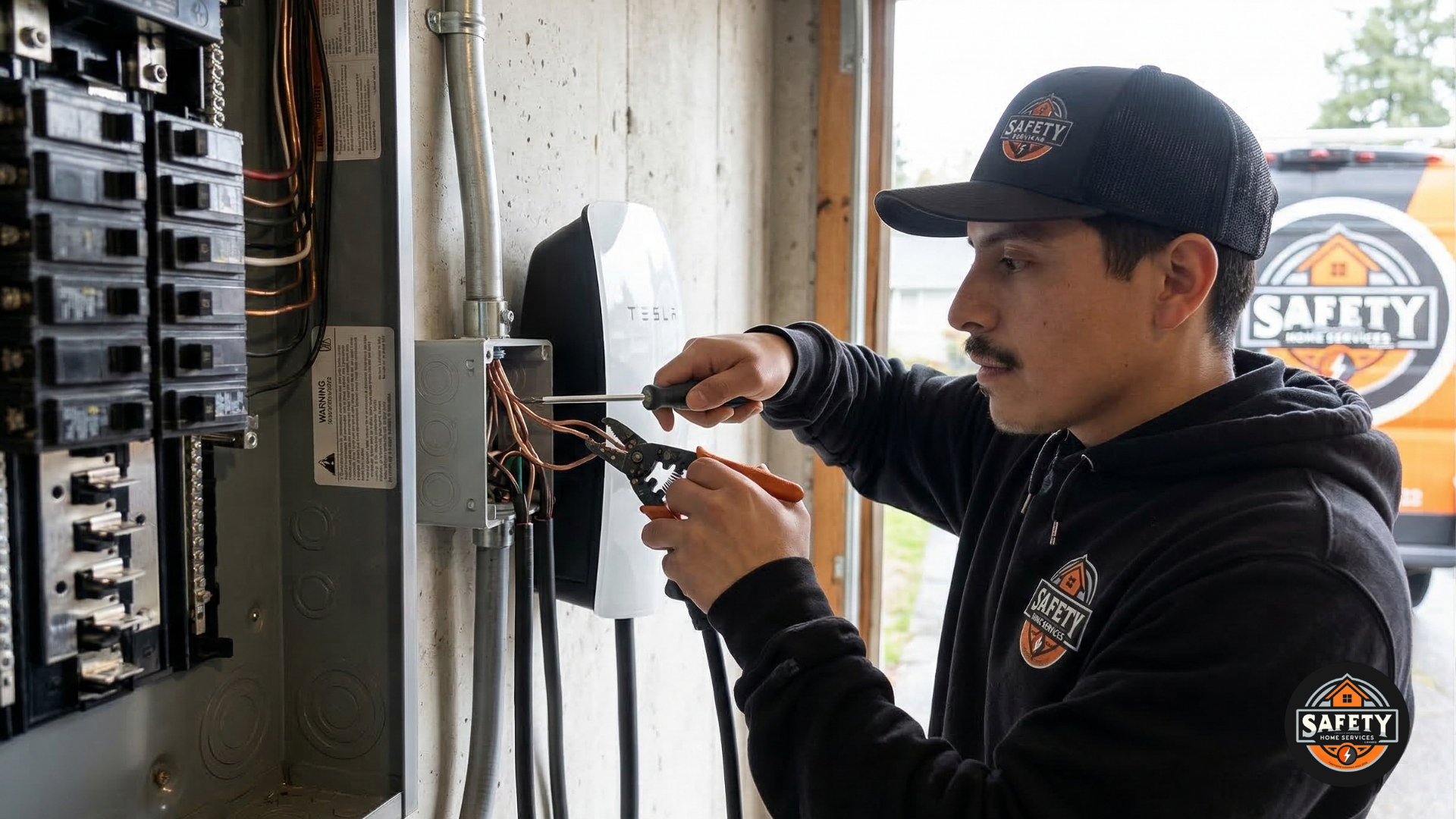
All spa and pool electrical work requires permits, dedicated circuits, and specific safety equipment. - EV Charger Installation
Home charging stations need permits, especially if panel upgrades are required.
The DIY Traps We See Most:
- Using the wrong wire gauge for distance and load
- Skipping AFCI and GFCI protection where required
- Improper grounding and bonding
- Box fill violations that create fire hazards
How SHS Makes Permits Painless:
Our licensed electricians handle all permit applications, inspections, and code compliance. We know exactly what local inspectors look for and ensure work passes on the first try.
Plus, permitted work is covered by our warranty and properly documented for insurance and resale.
When DIY Makes Sense (Spoiler: Rarely):
Oregon allows homeowners to do electrical work on their own primary residence—but you still need permits for most projects. And one mistake can be dangerous and expensive.
The Smart Play:
Get a quote before you start any electrical project. Often, the difference between DIY costs (materials, tools, permits, time) and professional installation is smaller than you think—especially when you factor in warranty and safety.
Your Permit Questions, Answered:
Wondering if your project needs a permit? Call us. We’ll walk you through Oregon’s requirements and help you avoid costly surprises down the road.
Don’t let permit confusion delay your project or cost you thousands later.
SHS Tip: Always check permit requirements before starting electrical work. It’s easier to get permits than to fix unpermitted work later.
Brought to you by Safety Home Services—keeping your electrical projects legal, safe, and warranty-backed.